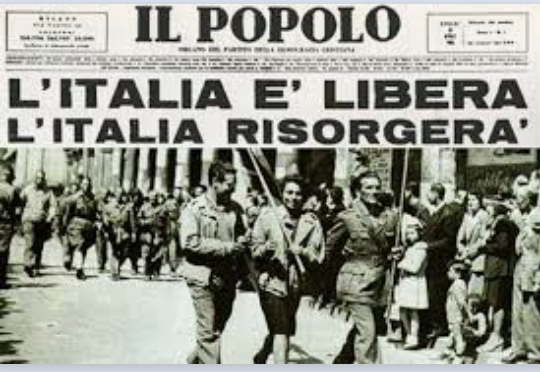
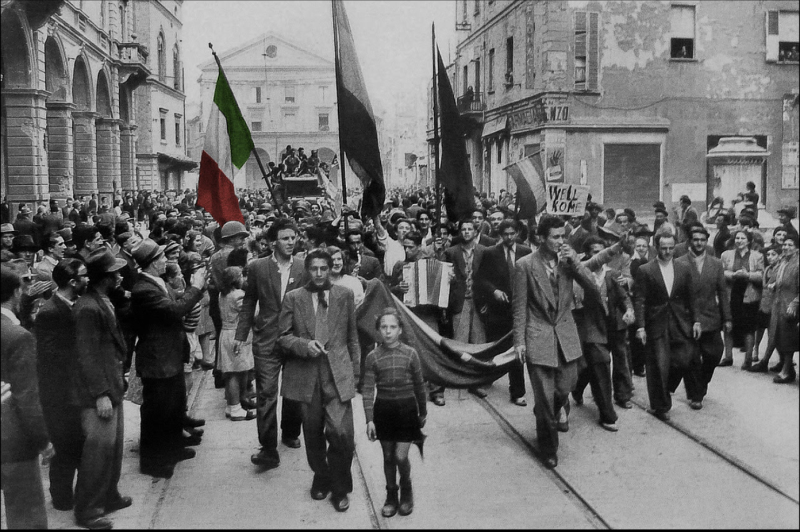
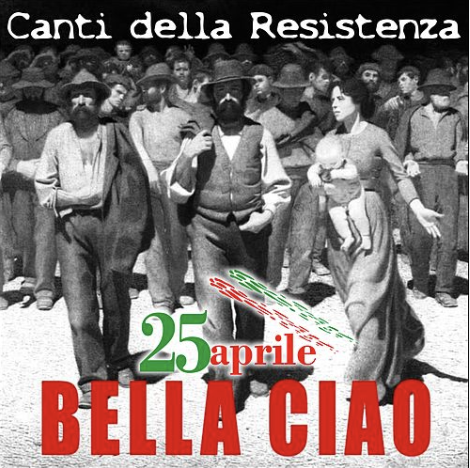
On April 25th each year, Italy commemorates Liberation Day, marking the fall of Fascism and the end of Nazi occupation in 1945. Public memory often focuses on partisan resistance, political transformation, and the rebirth of democracy. Yet hidden within the history of Liberation Day is another important story: the story of health, medicine, and survival. The final years of World War II left Italy socially devastated. Cities were bombed, infrastructure collapsed, and food shortages became widespread. In many regions, hospitals struggled to function under impossible conditions. Medicines were scarce, sanitation systems deteriorated, and infectious diseases spread rapidly among civilian populations. Tuberculosis, malnutrition, and preventable illnesses affected thousands of families already living under the strain of occupation and war. For ordinary Italians, survival itself became a public health crisis.
In northern and central Italy, physicians, nurses, religious institutions, and clandestine medical networks often worked alongside resistance efforts. Healthcare workers treated wounded civilians and partisans despite enormous personal risk. Hospitals became more than places of treatment; they became spaces of protection, secrecy, and moral resistance.
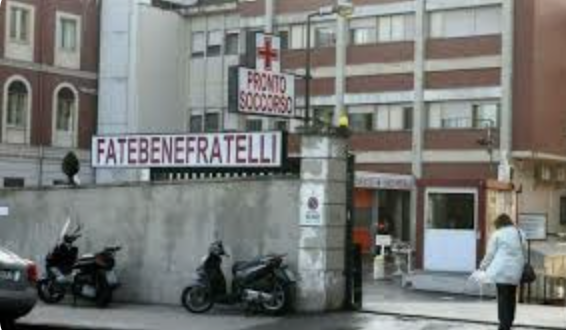
One of the most remarkable examples emerged at Fatebenefratelli Hospital, where physician Giovanni Borromeo and his colleagues reportedly invented a fictitious illness known as “Syndrome K.” Jewish individuals and anti-fascists fleeing Nazi persecution were hidden inside hospital wards under the pretense that they were infected with a dangerous and highly contagious disease. German soldiers, fearful of infection, avoided entering these areas. In this moment, medicine became not only a profession but also an act of resistance.
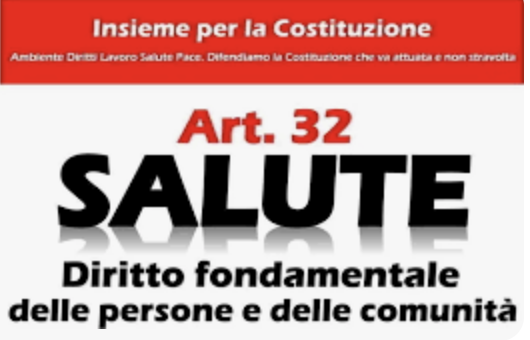
Liberation also marked the beginning of a broader transformation in Italian public health. The collapse of Fascism forced the country to confront the realities of poverty, inequality, and limited access to care. Rebuilding hospitals and restoring medical services became part of rebuilding the nation itself. Maternal and child health programs expanded, labor protections improved, and public discussions increasingly emphasized healthcare as a social right rather than a privilege.


Women played a particularly important role during this period. Many served as volunteer nurses, midwives, caregivers, and clandestine couriers for medical supplies. Their work sustained families and communities during one of the darkest chapters in modern Italian history. Although their contributions are often overshadowed by military narratives, these women formed an essential part of Italy’s social and medical resistance.
The health consequences of the war did not end in 1945. Italy emerged from the conflict carrying deep physical and psychological wounds. Trauma, displacement, orphanhood, disability, and chronic illness shaped the lives of an entire generation. These experiences later influenced broader debates about psychiatric care, social medicine, and public responsibility for health. Decades later, reformers such as Franco Basaglia would challenge institutional psychiatric systems and push Italy toward more humane approaches to mental healthcare.
Ultimately, the legacy of postwar reconstruction contributed to the development of "Servizio Sanitario Nazionale" in 1978, Italy’s universal healthcare system. The idea that healthcare should be accessible to all citizens was shaped not only by political ideology, but by the collective memory of deprivation and suffering during the war years.
Today, Liberation Day is remembered primarily as a political anniversary. Yet it is also a reminder of how healthcare workers, ordinary citizens, and vulnerable communities endured extraordinary hardship. It is a story of medicine practiced under occupation, of hospitals transformed into sanctuaries, and of a nation that emerged from war understanding that democracy and public health are deeply connected.